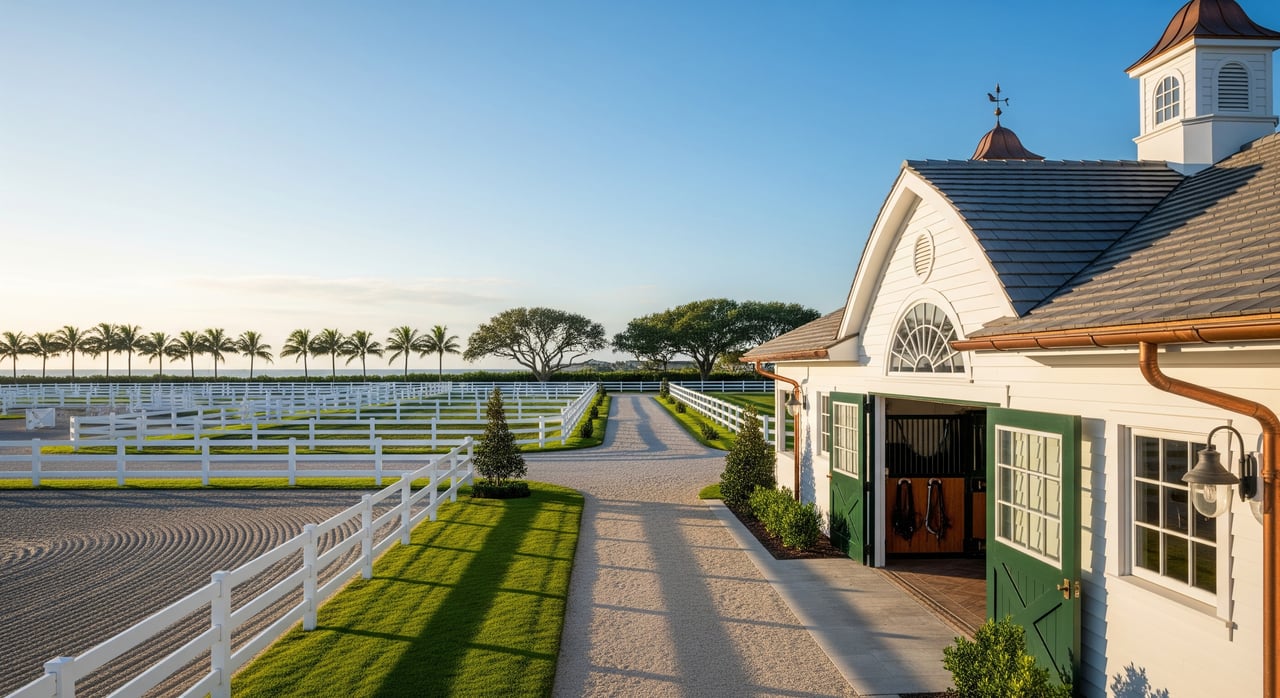
Shopping for a Wellington horse farm can feel exciting and overwhelming at the same time. You want a property that keeps your horses safe, stands up to South Florida weather, and makes show season logistics easy. In this guide, you will learn how to evaluate barns, arenas and footing, irrigation and waste systems, turnout, drive and trailer access, and proximity to Wellington’s show venues. You will also see what inspections to order and which documents to request so you can buy with confidence. Let’s dive in.
Why Wellington infrastructure matters
Wellington sits in a major equestrian hub with high-profile winter events and frequent trailering to show grounds. The local climate brings heat, humidity, heavy rain, and a high water table. That makes engineered drainage, durable materials, and moisture control essential.
Local rules also matter. Water use, reclaimed-water availability, well permits, and irrigation restrictions are governed by regional and county agencies. Building, electrical, septic, and environmental permits are required for many equestrian improvements. Proximity to show venues adds value but can bring seasonal traffic and neighborhood rules on trailer storage or commercial activity. Plan for both convenience and compliance.
Barns and stable systems: what to look for
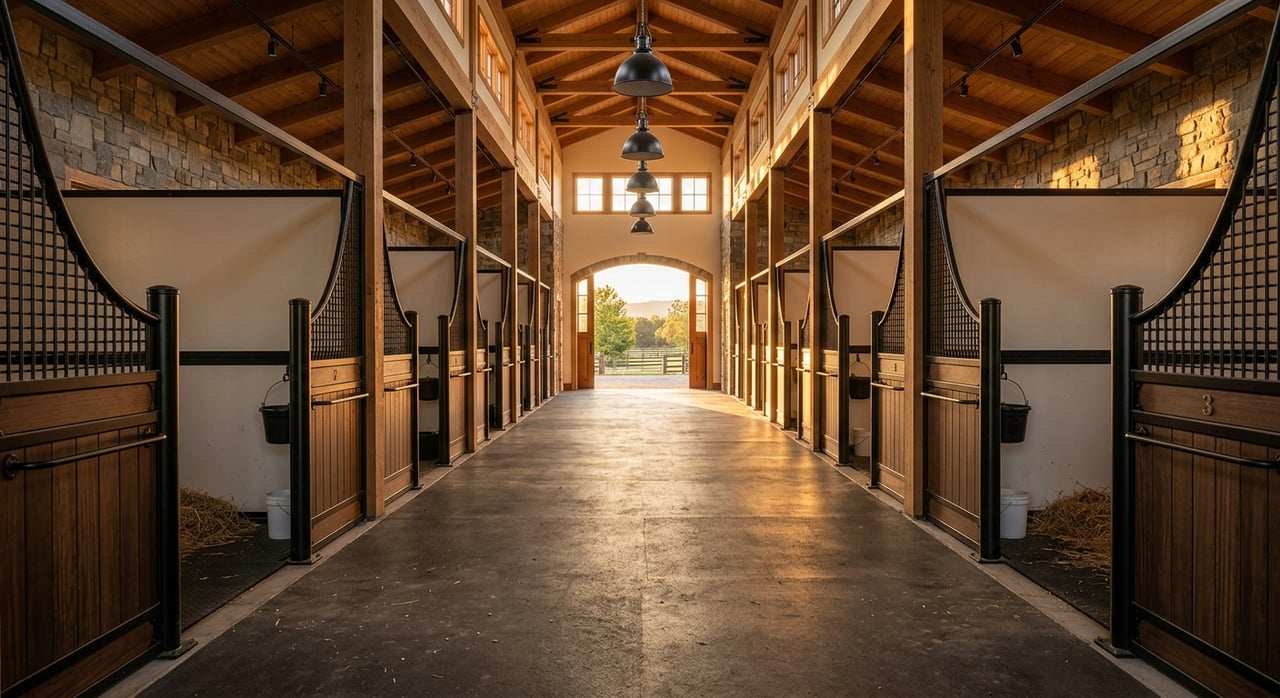
Your barn is the operational heart of the farm. Evaluate function, safety, and resilience to Florida weather.
Safety and layout
- Stall count and stall size. For performance horses, 12×12 to 12×14 feet is common. Larger stalls may be needed for foaling or recovery.
- Aisle width and flow. Wide, straight aisles improve safety, airflow, and trailer loading efficiency.
- Storage and work areas. Dry, rodent-conscious feed rooms and well-ventilated hay storage keep supplies protected.
Ventilation, moisture, and pests
- Vent design. Ridge vents, cupolas, and operable windows help airflow in a humid climate.
- Mold control. Inspect wood surfaces, tack rooms, and hay storage for chronic moisture or mildew.
- Fly and pest control. Look for screens and integrated systems that support daily management.
Electrical, plumbing, and fire safety
- Electrical. Confirm tidy panels, GFCI-protected outlets near water, and adequate night lighting. Generator readiness is a plus when storms knock out power.
- Plumbing. Functioning wash bays with hot water and slip-resistant surfaces improve safety.
- Fire mitigation. Check egress routes, separation between hay and stalls, and code-appropriate safety features.
Red flags in barns
- Visible leaks, rot, or mold. Chronic moisture issues can escalate costs fast.
- Exposed or overloaded wiring. Electrical hazards increase fire risk.
- Poor ventilation. In Wellington’s climate, minimal airflow can harm horses and gear.
Arena footing, base, and drainage
Great footing depends on a sound base, well-designed drainage, and consistent maintenance.
Base and drainage essentials
- Engineered base. Look for a compacted base and sub-base with proper layer separation, often with geotextile to prevent mixing.
- Drainage network. Perimeter drains, French drains, catch basins, and correct slope help move water quickly. With heavy rains and a high water table, extra capacity and elevated bases are common best practices.
- Performance after storms. After moderate rain, the ring should shed water and be rideable within a reasonable window for your discipline.
Footing materials and depth
- Footing types. Sand blends, sand-fiber mixes, waxed sands, or synthetics each offer different traction, cushion, and dust-control profiles.
- Uniform depth. Depth should be consistent across the ring. Uneven areas can signal base issues or poor maintenance.
Watering and maintenance
- Irrigation. Fixed sprinklers or boom systems deliver even moisture. Automation helps manage daily cycles.
- Grooming. Regular harrowing and drag routines keep compaction in check. Ask about the schedule and equipment.
Red flags in arenas
- Standing water after moderate rain. This often points to a weak base or insufficient drainage.
- Hard-packed tracks or spotty depths. Inconsistent footing risks injury and suggests underlying base problems.
- No irrigation plan. Without controlled moisture, rings get dusty in dry spells and compacted when wet.
Irrigation, water, and waste systems
Water is a critical operational input. Confirm capacity, permits, and compliance.
Water sources and permits
- Sources. Properties may use municipal water, private wells, or reclaimed water where available. Each has different costs and rules.
- Wells. Verify permits and test water quality for salinity and contaminants. Pump sizing should match demand across arenas and paddocks.
- Reclaimed water. If available in your area, it can reduce irrigation costs. Confirm connection rules and seasonal restrictions.
Irrigation design for rings and paddocks
- System design. Sprinkler zones and pump flow must support arena watering plus pasture irrigation at peak times.
- Controls. Automated controllers and zone maps improve consistency and reduce labor.
Manure and wastewater compliance
- Manure management. Storage, composting, and hauling schedules must prevent runoff and meet local rules, especially near ditches and wetlands.
- Wash racks and drains. Confirm that drains connect to permitted septic or approved wastewater systems. Direct discharge to surface water is not acceptable.
Red flags in water and waste
- No permits or records. Missing documentation for wells, septic, or irrigation can be costly to correct.
- Inadequate storage near water features. Improper manure siting risks violations and environmental harm.
- Frequent clogs or slow drains. This may indicate undersized systems or poor installation.
Turnout, paddocks, and pasture
Healthy turnout reduces stress and supports performance.
Layout and fencing
- Paddock count and size. Match the number and size of paddocks to your turnout schedule and herd dynamics. Many performance farms prefer several smaller paddocks to allow rotation.
- Fencing. Inspect type and condition. Safe height, visible rails, secure gates, and sound posts are priorities.
- Amenities. Every paddock should offer shade, shelter, and reliable water.
Grass, soil, and drainage
- Pasture species. Warm-season grasses are typical in South Florida. Look for resilient varieties suited to heat and rainfall.
- Drainage and wear points. Reinforce high-traffic areas at gates and waterers to reduce mud. Consider sacrifice areas for wet months.
Red flags in turnout
- Broken rails or rotting posts. Fencing failures raise injury risk.
- Bare or muddy patches. Persistent mud suggests poor drainage or overuse.
- No water or shelter. This undermines horse welfare, especially in heat.
Access, parking, and trailer logistics
Show-season efficiency depends on good circulation and durable surfaces.
Gate widths and turning radii
- Gate size. A minimum of about 12 feet works, while 14 to 16 feet is preferred for larger rigs.
- Turning room. Plan for generous radii and unobstructed corners so trucks and trailers can move without tight maneuvers.
Surface types and storage
- Drive surfaces. Compacted shell, crushed limestone, asphalt, or concrete hold up better than grass or soft sand during heavy rain.
- Trailer staging. Dedicated loading pads, lighting, and clear barn access save time and reduce stress.
Neighborhood rules and routes
- Parking rules. Some neighborhoods limit visible commercial or overnight trailer parking.
- Routes to venues. Proximity to main corridors reduces time in seasonal traffic. Balance access with on-site parking restrictions.
Red flags for access
- Narrow gates and tight turns. These create safety risks and slow departures.
- Soft driveways. Unimproved surfaces can become impassable after storms.
- Low-hanging branches or wires. Ensure adequate overhead clearance for tall rigs.
Proximity to show venues
Access to Wellington’s show venues is a major value driver if you compete often. Properties near main routes to the show grounds can reduce haul times and simplify staged arrivals. Consider peak-season traffic, neighborhood rules for on-site trailer storage, and the practicality of daily or weekly commuting from the farm to stabling areas. If you plan to host visiting horses or staff, evaluate how barn layout and parking support those logistics.
Specialized inspections that protect you
Coordinated inspections help you verify condition and budget for upgrades.
- Barn and structural engineer. Evaluates roof, framing, foundations, stall hardware, and code compliance. Provides a structural report and priority repairs.
- Licensed electrical contractor. Reviews wiring, panels, GFCI protection, lighting, and generator readiness.
- Plumbing and septic inspector or civil engineer. Confirms wash bays, drains, hot water systems, and septic capacity for multi-stall use.
- Arena footing or landscape engineer. Assesses base, drainage, footing depth and type, irrigation, compaction, and lifecycle. Offers upgrade cost estimates.
- Irrigation and well contractor with water testing. Verifies permits, pump sizing, system hydraulics, and water quality.
- Soil and drainage engineer. Analyzes subsoils, percolation, and standing-water risks; recommends subsurface drainage or regrading.
- Equine facility consultant. Reviews daily flow, stall layout, storage, and show prep efficiency.
- Fencing and pasture specialist. Checks fence condition, gates, erosion, pasture species, and rotation plans.
- Arborist. Identifies trees that threaten structures or block trailer paths.
- Environmental and permitting advisor. Confirms permits and allowable uses; checks for violations or constraints.
Coordinate a joint site walk when possible. Combine findings into a single summary with urgent repairs, compliance items, 12 to 36 month capital needs, and estimated costs. Verify permits through county records and obtain multiple local bids for major work.
What to request from the seller
Gather documents that prove work quality and help plan future costs.
- Building and final permits for barns, arenas, wells, septic, and electrical upgrades.
- Arena construction receipts, scopes, warranties, and dates of resurfacing or base work.
- Maintenance logs for grooming, depth checks, irrigation, and fence repairs.
- Well logs, water test results, pump specs, and irrigation diagrams.
- Manure hauling contracts or composting records, plus any environmental mitigation steps.
- Utility bills that show water usage to estimate irrigation operating costs.
- Insurance claim history for storms or flooding.
Touring scorecard for Wellington farms
Use this quick checklist when you tour and compare properties.
- Barn: stall count and size; aisle width; airflow; generator hookup; fire precautions; feed and hay storage.
- Arena: dimensions; footing type; date of last rebuild; visible drainage; irrigation system and controls.
- Water: municipal vs well vs reclaimed; permits on file; pump capacity matched to demand.
- Turnout: number of paddocks; average size; fence type and condition; waterers and shade.
- Drive and trailer: gate width; driveway surface; turning radius; parking; overhead clearance.
- Waste and septic: manure storage location; wash-bay drainage; septic capacity and last inspection.
- Permits: documents for major improvements; dates and final inspections.
- Venue access: practical route and time during show season.
- Rules: HOA or local limits on trailer parking or frequent commercial activity.
Numeric benchmarks to keep in mind
- Stall size: 12×12 to 12×14 feet is a common performance range.
- Gate width: about 12 feet minimum; 14 to 16 feet preferred for big rigs.
- Turning radii: plan for roughly 40 to 60 feet depending on truck and trailer size.
- Arena profile: engineered base with several inches of finished footing depth, verified by a footing specialist.
- Irrigation capacity: confirm pump flow rate and zone design support arena watering plus pasture needs.
Cost and lifecycle planning
Plan for both immediate fixes and long-term upkeep.
- Arena base and resurfacing. Costs vary by size, materials, and drainage improvements. Get local bids and lifecycle estimates.
- Barn repairs. Roof work, structural wood replacement, and moisture remediation can add up in humid climates.
- Irrigation and wells. Expenses depend on depth, pump size, and whether reclaimed-water connections are available.
- Fencing. Material choice and ongoing maintenance affect total cost of ownership.
- Manure management. Budget for hauling or on-site composting systems as recurring costs.
How Real Estate Connect helps
Buying an equestrian property in Wellington requires practical, on-the-ground evaluation. As a women-founded, owner-operated boutique brokerage with equestrian and acreage specialization, we help you vet infrastructure, coordinate the right inspections, and verify permits. Our hands-on team understands how barns, arenas, irrigation, and turnout must work together in South Florida’s climate. We connect you with local specialists, organize bids, and negotiate credits when upgrades are needed.
Ready to evaluate your short list with confidence? Reach out to Real Estate Connect to get started.
FAQs
What stall size should you expect in Wellington barns?
- Many performance barns use 12×12 to 12×14 foot stalls, with larger sizes reserved for foaling or recovery needs.
How do you verify irrigation and well permits in Palm Beach County?
- Ask the seller for permits and well logs, then confirm records with county and regional water authorities that govern wells and irrigation.
What makes good arena drainage in South Florida?
- An engineered base, correct slope, and a subsurface network of drains or catch basins designed for heavy rainfall and a high water table.
Can you store horse trailers on-site in Wellington?
- It depends on local ordinances and neighborhood rules; some communities limit visible commercial or overnight trailer parking.
How important is proximity to show venues for value?
- For frequent competitors, quick access to main routes and show grounds is a key value driver that saves time and reduces travel stress.