Are you seeing wildly different price-per-acre numbers for land around Ocala and wondering which ones to trust? You are not alone. Acreage pricing in Marion County moves with many variables, and small changes in access, utilities, zoning, or soils can swing value by tens of thousands. In this guide, you will learn the core drivers that move price per acre and a step-by-step framework to benchmark asking prices and bids. Let’s dive in.
Why Ocala acreage values vary
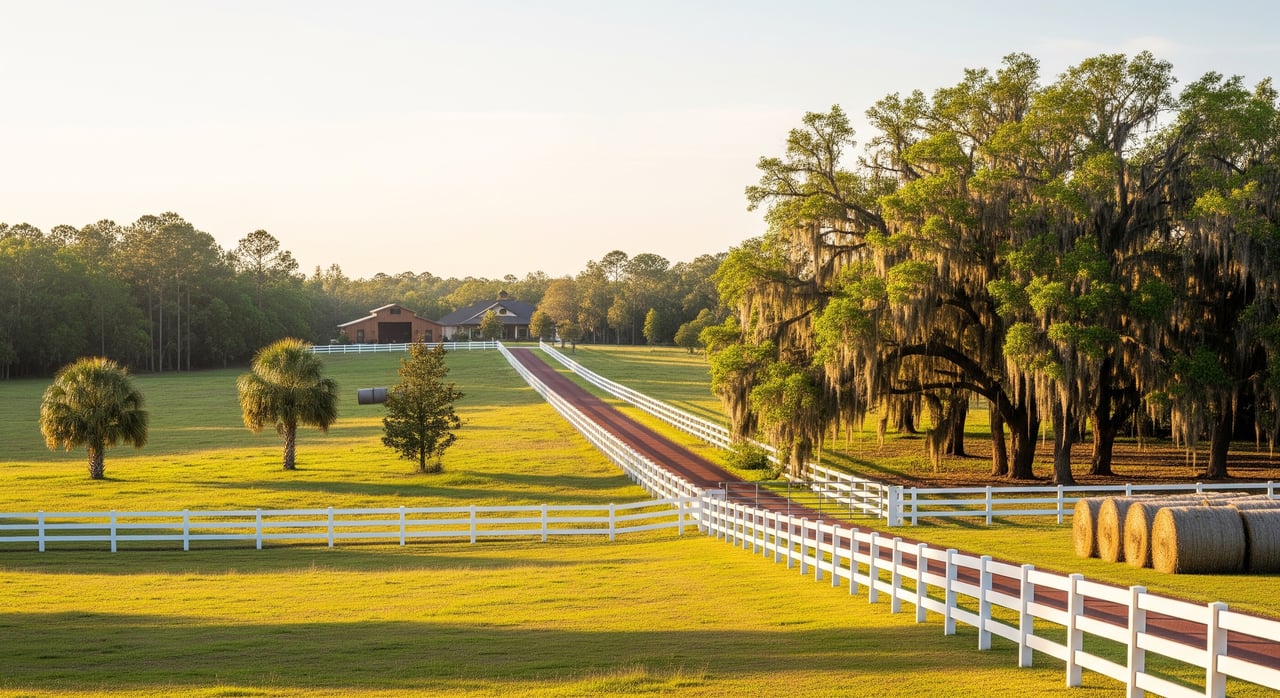
Ocala and greater Marion County are among the nation’s leading equestrian regions, so demand for acreage comes from several active buyer groups. You have equestrian operations, lifestyle buyers seeking privacy within reach of services, investors and developers, and agricultural users. Each group values features differently, which is why two nearby parcels can command very different per-acre prices.
Market forces also play a role. Interest rates and land-loan underwriting affect what buyers can pay, and local supply patterns shape competition for large versus small tracts. Comparable sales anchor expectations, while job and population growth influence demand for rural-lot buyers who still rely on Ocala’s services. When you put these forces together, you get a market where details matter.
Key drivers of price per acre
Location and neighborhood context
Location is usually the first value driver. Parcels closer to Ocala city limits, retail, hospitals, and major highways like I-75 and US-441 often command higher per-acre prices. For equestrian buyers, being near training centers, show facilities, thoroughbred farms, tack shops, and horse trail networks raises value. Scenic settings, ponds, or tree-canopied country roads add premiums. Nearby closed sales remain the most important benchmark for what buyers will pay.
Road access and frontage
How you reach the property matters. Paved, county or state-maintained frontage generally sells for more than land reached by a long private lane. Legal, insurable access is essential. Narrow deeded easements or unclear access can lead to price discounts. Multiple quality access points, gates, and culverts can be valuable for development layouts or efficient horse-farm operations.
Utilities and services
Utilities can be one of the largest adjustments in price per acre. Parcels with public water and sewer typically sell for more than land that requires a well and septic. The proximity of electric service is important because line extensions are costly on remote acreage. Reliable broadband is increasingly a must-have for buyers who work from home. Everyday services like trash, postal, and emergency response also contribute to lifestyle appeal and willingness to pay.
Parcel size, shape, and usability
Per-acre pricing usually runs higher for smaller tracts and lower for very large parcels. That means a 5-acre homesite can show a much higher per-acre figure than a 100-acre tract. Shape influences usability as well. Narrow, flag-shaped, or irregular parcels that eat into usable space tend to be discounted. Buyers and appraisers look closely at contiguous, usable acreage, not just gross acres on paper.
Soils, drainage, and flood risk
Soils and drainage drive both equestrian functionality and rural residential feasibility. Well-drained soils common in Marion County are preferred for pastures and arena construction. Septic suitability is critical for homesites. Flood risk also affects value. Parcels in higher-risk FEMA flood zones or with jurisdictional wetlands may have restrictions, higher insurance costs, or mitigation requirements. When floodplain or wetlands reduce buildable or usable acreage, the price per acre typically comes down.
Zoning and allowable uses
Zoning and future land-use designation control what you can build and how intensely you can use the land. Permitted uses, minimum lot sizes, and potential for rezoning all influence price. A change that allows more homesites or a planned unit development can boost value. Overlays, buffers, and permitting hurdles for barns, arenas, guest homes, or RVs can limit the buyer pool, which shows up in the price.
Existing improvements and site development
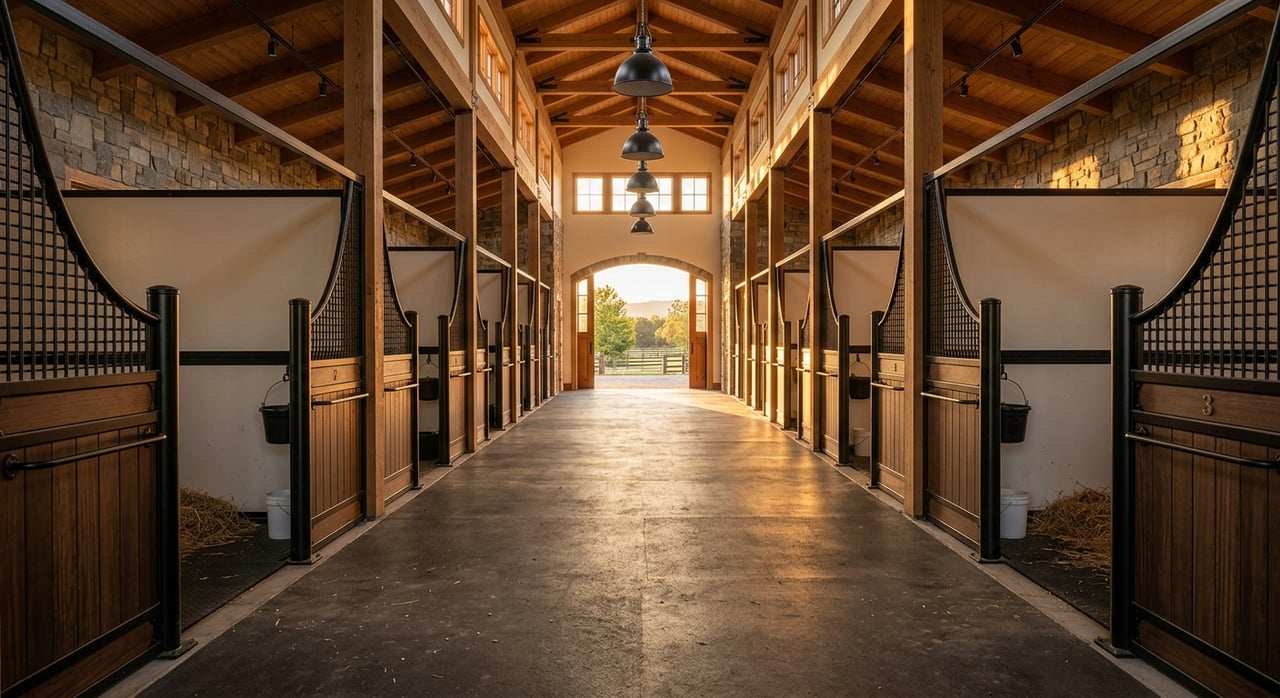
Improvements can add meaningful value, especially for equestrian buyers. Functional, well-maintained fencing, barns, arenas, irrigation, wells, septic systems, and internal roads are positives. Always adjust for condition and remaining useful life. Unpermitted structures or known code issues can slow transactions or reduce what buyers are willing to pay.
Legal encumbrances and rights
Deed restrictions, conservation easements, or HOA limitations can reduce marketability and price. Utility, pipeline, or railroad easements may limit how you use parts of the property. Subsurface or mineral rights can add complexity and sometimes risk. Clear title, clean surveys, and understood easements help protect value.
Taxes and special classifications
Carrying costs influence demand. Ad valorem tax levels and non-homestead classification can impact holding decisions. Florida’s agricultural classification, sometimes called Greenbelt, can significantly lower assessed values for qualifying agricultural uses such as bona fide pasture or horse operations. Special assessments in certain districts can increase annual costs and may affect pricing.
Market comps and buyer pool
The number of buyers for a 10-acre homesite is larger than the number for a 200-acre equestrian operation. That liquidity difference affects price per acre. Closed comparable sales are your best evidence for value. If local comps are limited, you may need to widen the search area or adjust carefully using time and feature differences.
How to benchmark price per acre
A clear process helps you avoid overpaying as a buyer or overpricing as a seller. Use this sequence to build a defensible range based on local market evidence.
Define highest and best use
Start by identifying the most likely buyer and the property’s highest and best use. Is the parcel a rural homesite, a turnkey horse farm, an agricultural tract, or a development play? The answer determines which features matter most and which comps belong in your set.
Build your comp set and adjust
Follow this checklist to translate comps into an apples-to-apples price-per-acre range:
- Identify 3 to 6 recent closed sales of similar acreage within a reasonable radius and timeframe.
- Record sale date, acres, total price, and price per acre for each comp.
- Adjust for parcel size. Expect higher $/acre for 1 to 10 acres and lower $/acre for large tracts.
- Adjust for utilities. Public water and sewer often command a premium; well and septic can be fine for rural use but price accordingly.
- Adjust for access. Paved public frontage adds value; long or narrow private easements reduce it.
- Adjust for land quality. Deduct for floodplain or wetlands and add for excellent soils and drainage.
- Add the value of improvements like barns or fencing using cost less depreciation.
- Consider taxes and assessments, including whether agricultural classification applies.
- Convert the result into a recommended list or offer range, factoring in a negotiation cushion and holding costs.
Rules of thumb to use carefully
- There is no single Ocala price per acre. Submarkets vary widely by use, utilities, and access.
- Per-acre price usually declines as acreage increases. Always calculate both price per acre and total price.
- For equestrian farms, improvements and facility quality can justify premiums above raw land comps.
- When comps are limited, expand the radius but be deliberate with adjustments.
Pitfalls to avoid
- Using asking prices instead of closed sales.
- Ignoring time adjustments when relying on older comps.
- Pricing off gross acreage without subtracting unusable acres in floodplain or wetlands.
- Overlooking tax classification changes or potential rollback exposure when Ag use ends.
What this means for buyers
If you are buying acreage, focus on the features that fit your intended use and budget. Define your must-haves, like paved access, septic suitability, and proximity to horse facilities or services. Verify utilities early, including the feasibility and cost of electric line extensions and broadband. Confirm soils, drainage, and any FEMA flood zones so you understand usable acreage and potential mitigation costs.
For equestrian buyers, condition and layout of barns, fencing, and arenas can be worth a premium if they are truly functional. For remote parcels, factor in the cost of driveways, fencing, and water management. Finally, evaluate taxes and whether agricultural classification could apply to reduce holding costs.
What this means for sellers
If you are selling acreage, present a clear, complete picture of the land. Gather surveys, past permits, well and septic records, and any documentation for improvements. Map utilities and confirm legal access so there are no surprises. If fencing, barns, or roads need basic repairs to show well, consider targeted maintenance that improves function and first impressions.
Price around closed comps and be honest about adjustments for size, utilities, access, and land quality. If your parcel has equestrian-ready improvements, highlight the functionality and condition. Be upfront about zoning, use allowances, and any easements or restrictions so buyers can confidently value the property.
Local due diligence resources
When you are preparing to buy or sell, build your file using local, authoritative sources:
- Marion County Property Appraiser for parcel records, assessments, and sales history.
- Marion County GIS and Development Services for zoning, land use, utilities, road networks, and permitting guidance.
- FEMA Flood Map Service Center for flood zones and Base Flood Elevations.
- USDA NRCS Web Soil Survey for soil types, hydrologic groups, and septic suitability.
- UF/IFAS Food & Resource Economics Department for Florida land-value and agricultural economics insights.
- Florida Department of Environmental Protection and U.S. Army Corps for wetlands and permitting questions.
- Local MLS and land marketplaces for closed sales and inventory context.
- Local appraisers, surveyors, civil engineers, land-use attorneys, and environmental consultants for specialized due diligence.
Putting it all together
Price per acre in Ocala and Marion County is the outcome of location, access, utilities, parcel size and shape, soils and flood risk, zoning, improvements, legal constraints, tax status, and comps. When you evaluate each variable through the lens of your intended use, you will land on a tighter value range and make stronger, faster decisions. Buyers can avoid overpaying. Sellers can price confidently and reduce time on market.
If you want a tailored comp set, improvement audit, and a clear pricing strategy for your acreage or equestrian property, connect with the local team that does this every day. Reach out to Real Estate Connect for owner-led guidance and a practical path to your next move.
FAQs
How do utilities affect price per acre in Ocala?
- Public water and sewer often command one of the largest premiums, while well and septic suitability, reliable electric, and broadband availability are critical for rural buyers.
How should I value land with wetlands or floodplain in Marion County?
- Separate gross from net usable acreage, apply deductions for flood risk and setbacks, and value the usable acres more heavily when comparing comps.
Does price per acre work for equestrian farms in Ocala?
- Use price per acre as a starting point, then add or adjust for barns, arenas, fencing, and layout because functional equestrian improvements can justify premiums.
What is Florida’s agricultural classification and why does it matter?
- Qualifying agricultural use can lower assessed value and property taxes, but rules apply and changes in use can trigger rollback exposure.
Where can I find reliable acreage comps near Ocala?
- Start with closed MLS sales and local records, and consider engaging a local appraiser or acreage-focused broker when comps are sparse or complex.