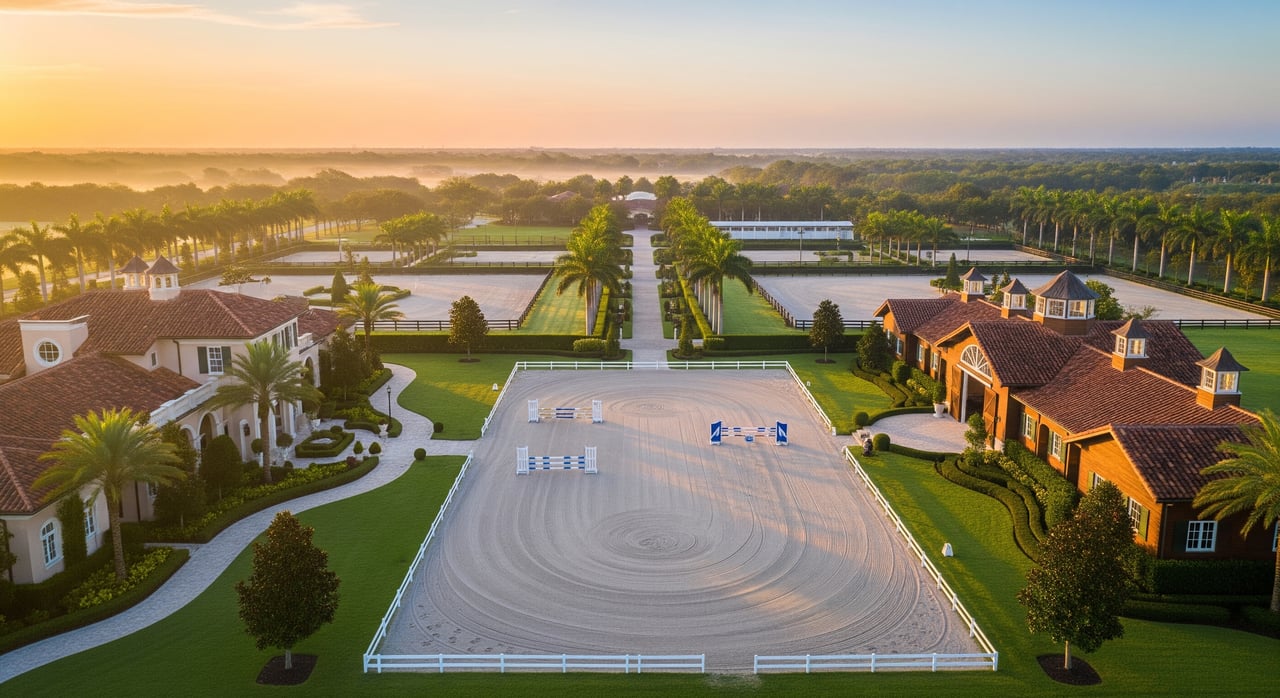
If Wellington is on your short list for winter show season, you are not alone. Each year the Winter Equestrian Festival and the Adequan Global Dressage Festival draw riders, owners, and trainers from around the world. You want a property that fits your horses, your schedule, and your goals, without surprises. This guide walks you through timing, features, zoning, financing, and operations so you can buy with confidence. Let’s dive in.
Why Wellington is the winter hub
Wellington centers around the Palm Beach International Equestrian Center and a calendar anchored by the Winter Equestrian Festival and the Adequan Global Dressage Festival. Demand for stalls, housing, and services surges during winter. The local ecosystem for high-performance horses is deep, from advanced veterinary care to farriers and feed suppliers. During peak weeks, you should plan and book service providers in advance.
Peak season is roughly November to April. Properties that are move-in ready for competition use tend to command a premium in-season and change hands less often. Many owners design their purchase for dual use: personal use when on site, and stall or short-term rentals to trainers and owners when away.
How season affects price and availability
During the show circuit, listings that are close to PBIEC and have competition-ready arenas and stall capacity can draw multiple buyers. Off-season, you may find more negotiating room and time to evaluate infrastructure and permits. Your timing matters if you want to be operational for an upcoming circuit. Build in time for inspections, upgrades, and any permits you may need.
Location trade-offs in Wellington
Proximity to PBIEC saves commute time and can help with stall rentals or training activity. Closer-in properties often sit on smaller acreage that is intensively improved with arenas, barns, and paddocks. Farther out, you may find more privacy or land, but plan for longer hauls to showgrounds and services. Decide whether direct access or extra acreage is your top priority.
Core equestrian features to prioritize
Barns and arenas
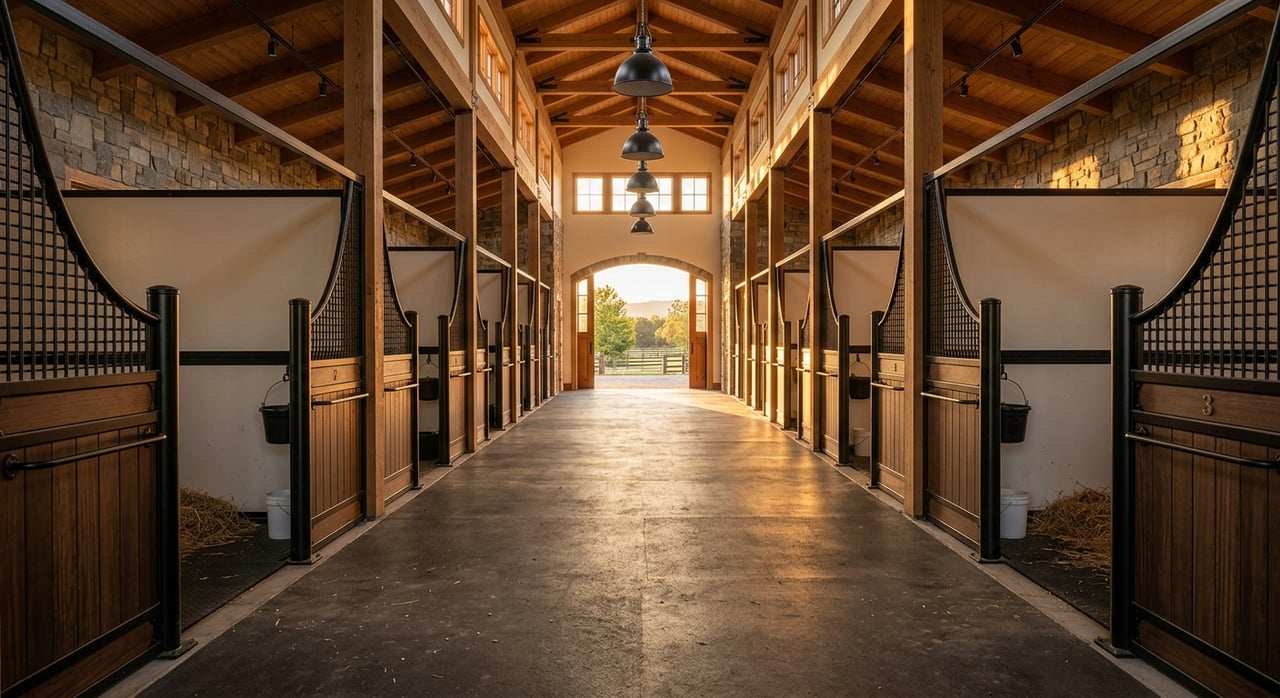
- Stall count and configuration. Many local properties offer 10 to 40 or more stalls, sometimes with a mix of permanent and temporary options.
- Indoor and outdoor arenas. Look at size, lighting, and footing, plus whether the arena build and maintenance meet competition expectations.
- Training spaces. Round pens, lunging areas, and warm-up zones support daily programs and reduce bottlenecks during peak use.
Turnout and support areas
- Turnout and grass paddocks. Florida pasture behaves differently than temperate climates, so do not assume large grazing yields.
- Tack rooms, wash stalls, grooming zones, and vet/farrier space. These details make or break daily flow.
- Hay and feed storage. Dry, secure storage capacity is essential, along with a dedicated feed room or cooler.
- Quarantine stalls and biosecurity layout. Plan for transient horses and best practices during the circuit.
- Staff housing and office space. On-site apartments or a separate house for managers can be a major operational advantage.
- Trailer parking and service access. Make sure gates and driveways accommodate rigs and deliveries.
Site and utilities
- Drainage and grading. Wellington sits low with a high water table, so raised arenas and good drainage are critical.
- Flood risk. Confirm FEMA flood zone designations and whether flood insurance will be required.
- Septic or sewer. Verify system type, capacity, and service history to match your stall count and staff needs.
- Water and irrigation. Check municipal versus well supply, arena watering capacity, and irrigation for landscaping and paddocks.
- Hurricane readiness. Generators, hurricane straps on barns, secure hay storage, and practical evacuation access matter.
- Security and fencing. Evaluate perimeter fencing, gating for service vehicles, and general site security.
Footing quality and upkeep
Arena footing affects soundness and performance. Ask about footing type, base construction, and the age of the build. Budget for routine maintenance like dragging, topping, and dust control. Competition riders will scrutinize this, and footing quality can influence both enjoyment and income potential if you plan to rent stalls.
Choose an operating model
Private estate use
You may prefer a quiet, owner-focused property with top-tier finishes and a simple program for your own horses. In this case, prioritize privacy, secure storage, and ease of care. Proximity to showgrounds still adds value if you plan to compete frequently.
Hybrid seasonal income
Many owners use a hybrid approach, enjoying the property part of the season and renting stalls or short-term accommodations when away. Review sample stall contracts, discuss care standards, and plan for biosecurity. Understand how season timing affects demand and pricing for short-term stall leases.
Commercial boarding or training
If you plan to board, train, or teach, confirm permitted uses with Palm Beach County and local Wellington rules. Some commercial activities require special permits or business registrations. Check for restrictions on signage, advertising, and hours of operation, and confirm that any HOA covenants allow your intended use.
Rules, permits, and environmental factors
Zoning determines horses per acre, permitted structures, and whether commercial boarding or training is allowed. Verify the status of existing structures and permits, and confirm if any buildings are non-permitted or grandfathered. Environmental items to review include flood zones, soil types and load-bearing capacity for arenas, and manure management rules.
Plan for mosquito and fly control, especially during wet periods. Build biosecurity into your layout if you will host transient horses. Proximity to advanced veterinary care, including local equine hospitals, is a meaningful operational benefit.
Insurance and risk planning
Most buyers layer coverage to manage risk. Typical policies include homeowners and structures, commercial equine liability for boarding or training, equine mortality and major medical for valuable horses, workers’ compensation for employees, and flood or hurricane insurance when required. Work with brokers who understand competition-level risks and Wellington’s seasonality.
Financing and ownership structures
Financing can be residential or commercial, based on whether the property is primarily a home or an income-producing facility. Specialty lenders, Farm Credit associations, jumbo mortgages, and cash purchases are common for high-value equestrian properties. If value depends on boarding or training revenue, expect lenders to review your business plan and historical financials. Many owners hold real estate and operations in LLCs or corporations for liability and tax planning. Discuss options with your legal and tax advisors.
Due diligence checklist
Use this list to guide your review and questions:
- Stalls and arenas
- How many permanent and temporary stalls are on site, and what is their condition?
- Arena dimensions, footing type, age, and maintenance history. Is any arena competition-grade?
- Evidence of seasonal flooding, overall drainage, and the official flood zone.
- Utilities and site systems
- Septic or sewer status, capacity, and service records.
- Water source, arena watering capacity, and irrigation coverage.
- Generator size, hurricane straps, and evacuation access for trailers.
- Operations and financials
- Historical stall occupancy by month and typical seasonal stall rates.
- Operating expenses for payroll, insurance, utilities, manure removal, and arena upkeep.
- Existing trainer or boarder contracts, transferability, and any exclusive agreements.
- Compliance and title
- Zoning and allowed uses, plus horses-per-acre rules.
- Permit history for major improvements and any code issues.
- HOA or deed restrictions that affect commercial activity or short-term rentals.
- Easements, leases, rights-of-way, liens, or encumbrances from the title search.
- Risk and logistics
- Nearest emergency equine hospital and after-hours veterinary access.
- Hay and shavings supplier availability across seasons.
- Pest control history and pasture management practices.
Wellington vs other hubs: key trade-offs
- Wellington. International winter circuit, dense services for high-performance programs, strong seasonal stall and rental demand, warm winters, and higher focus on drainage and hurricane readiness.
- Ocala, Florida. More land and often lower per-acre costs, strong veterinary and training infrastructure, and more year-round training options compared to Wellington’s concentrated season.
- Lexington, Kentucky. Cooler climate with a spring and summer competition rhythm, and a deep Thoroughbred and sport-horse ecosystem.
- Tryon, North Carolina. Regional FEI hub with a cooler summer climate and mountainous terrain, appealing to buyers who want a different seasonal mix.
A smooth purchase timeline
- 9 to 12 months before season. Define your operating plan, stall count, arena and footing needs, and target proximity to PBIEC.
- 6 to 9 months before season. Align financing, entity planning, and insurance strategy. Start touring properties and reviewing zoning and permits.
- 3 to 6 months before season. Make offers, complete inspections, and confirm flood zone, septic capacity, and capital expenditures.
- 30 to 60 days before closing. Finalize insurance layers, line up any vendor contracts you will assume, and map evacuation and service access.
- Pre-season. Complete any upgrades, schedule maintenance, and, if renting stalls, prepare contracts and biosecurity protocols.
Ready to take the reins?
If Wellington is your winter base, the right plan can turn a great property into a seamless season. Our boutique team pairs equestrian expertise with a hands-on, owner-led approach, and we understand how timing, infrastructure, and operations shape value. If you are weighing private use, hybrid income, or a full training program, we can help you navigate the path that fits your goals. Start the conversation with Real Estate Connect at Real Estate Connect.
FAQs
When is the best time to buy a Wellington seasonal equestrian property?
- Off-season often offers more selection and negotiating room, while in-season move-in-ready properties can command premiums due to the Winter Equestrian Festival and dressage circuit.
What property features matter most for show-season use?
- Prioritize stall capacity, arena quality and footing, turnout, drainage, hay and feed storage, staff housing, trailer access, and hurricane readiness.
Do I need permits to run a boarding or training operation in Wellington?
- Commercial boarding or training may require permits or registrations, and local rules govern horses per acre, signage, and hours, so verify with Palm Beach County and Wellington authorities.
How does flood risk affect equestrian properties in Wellington?
- Many properties sit in areas that require flood planning, so check FEMA flood maps, evaluate drainage and grading, and price flood insurance into your operating budget.
What insurance coverage should I consider beyond homeowners?
- Common layers include commercial equine liability, equine mortality and major medical, workers’ compensation for staff, and flood or hurricane coverage where required.
Can stall rentals offset ownership costs during the season?
- Yes, many owners use short-term stall leases or hybrid models, but you should review historic occupancy, typical seasonal rates, contract terms, and biosecurity plans before relying on that income.