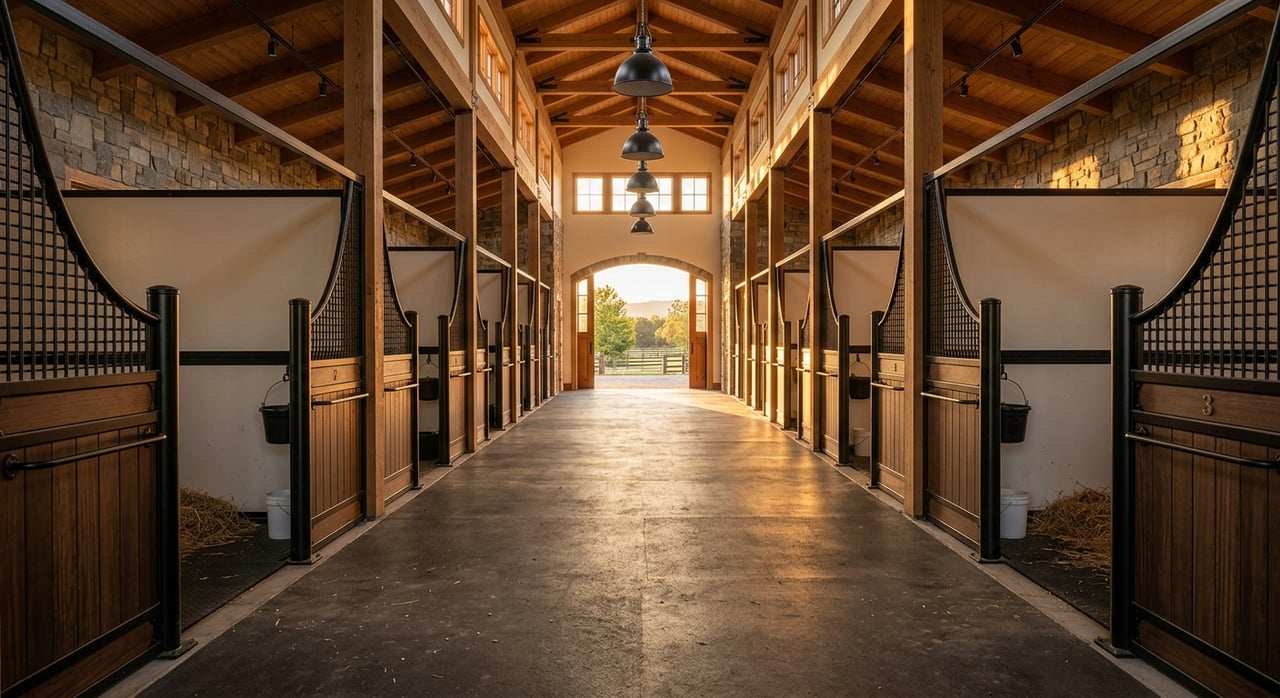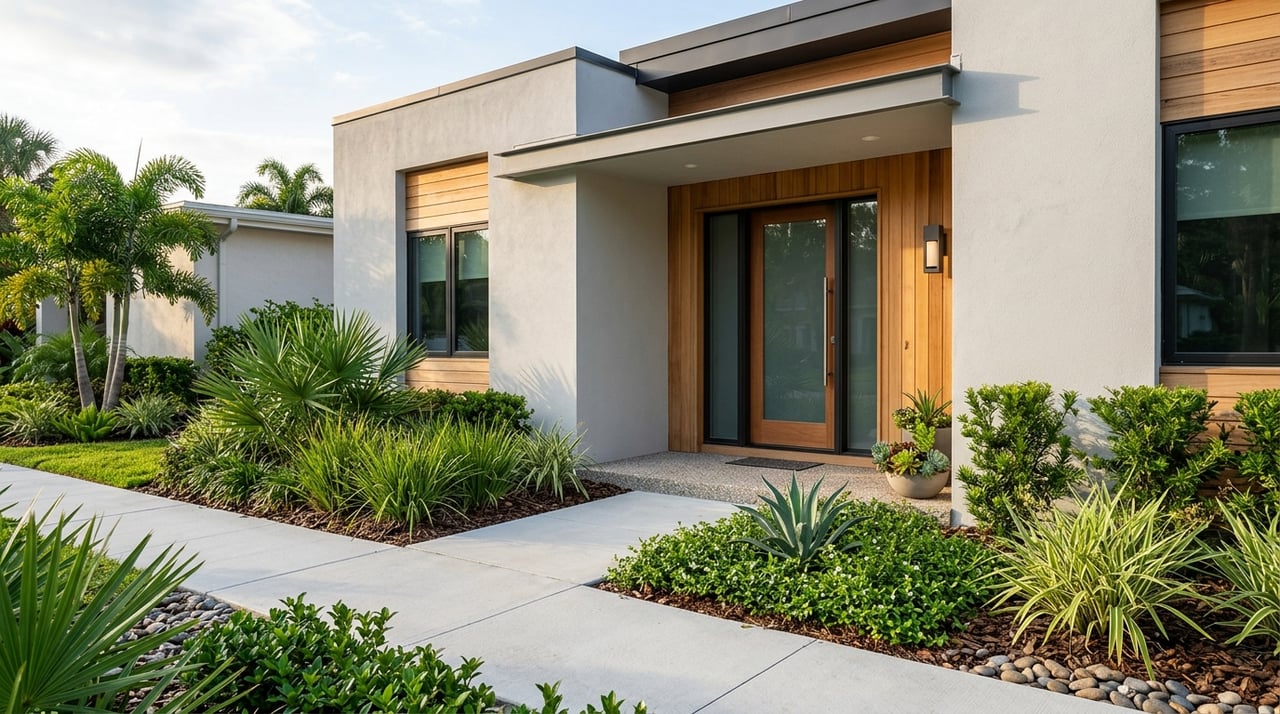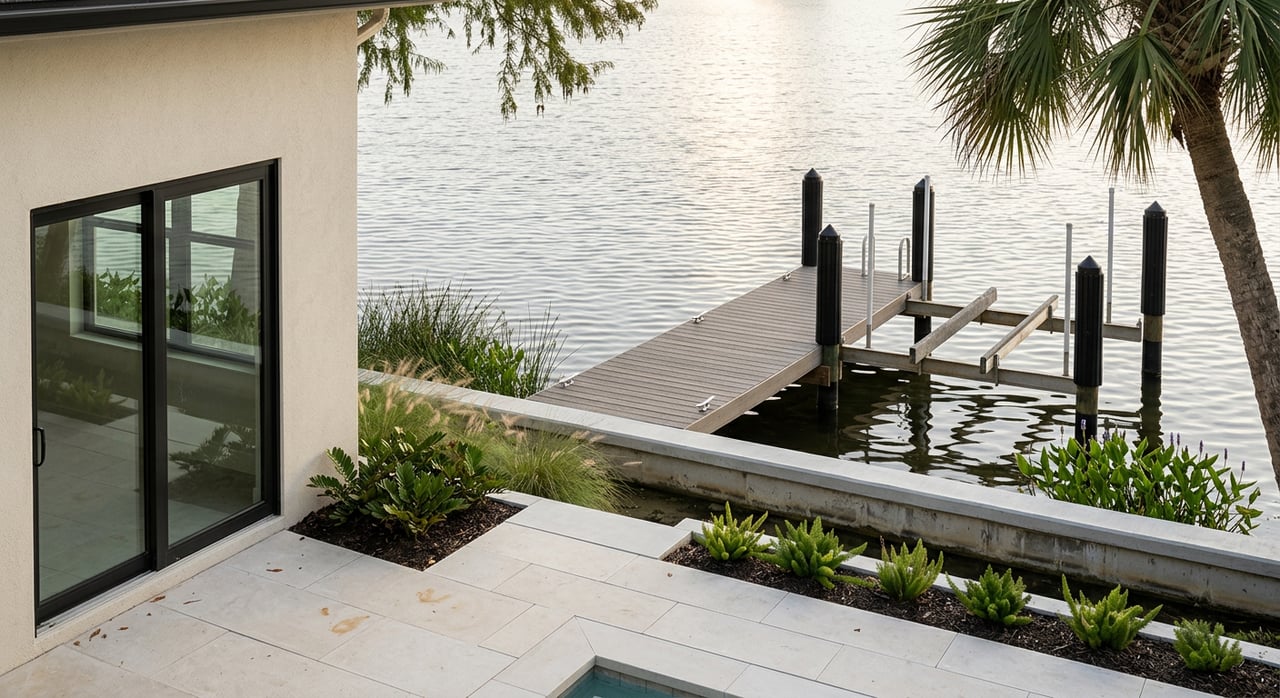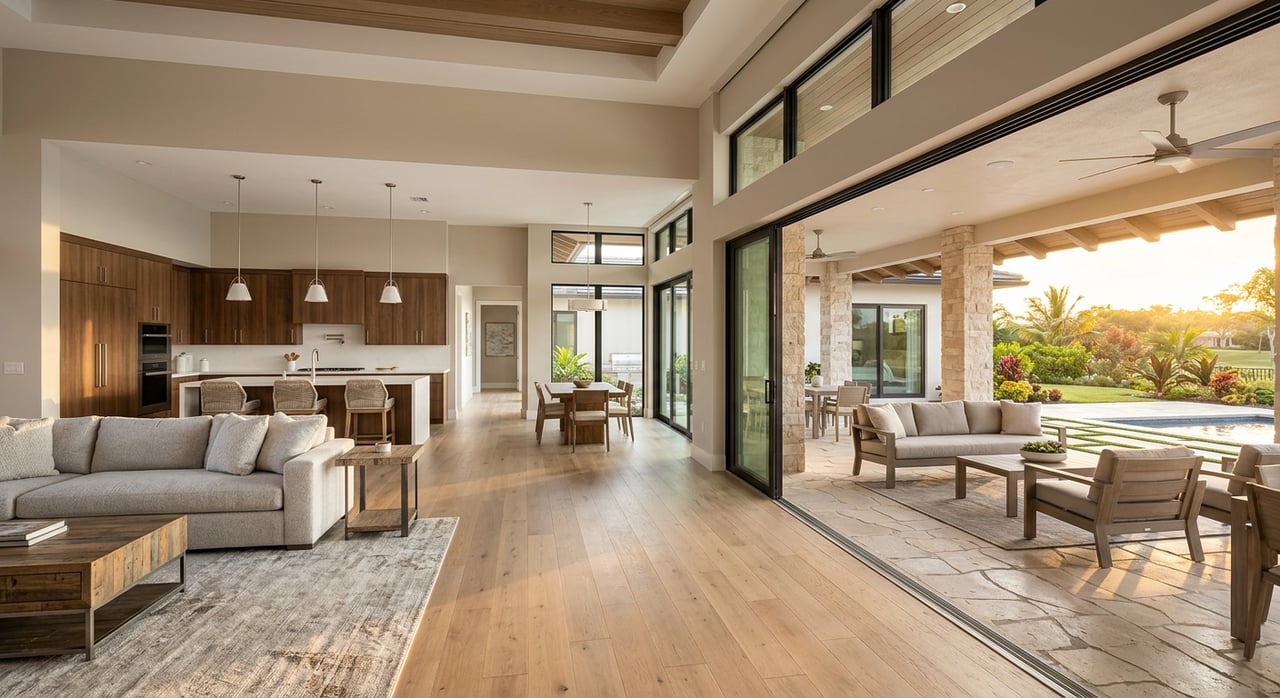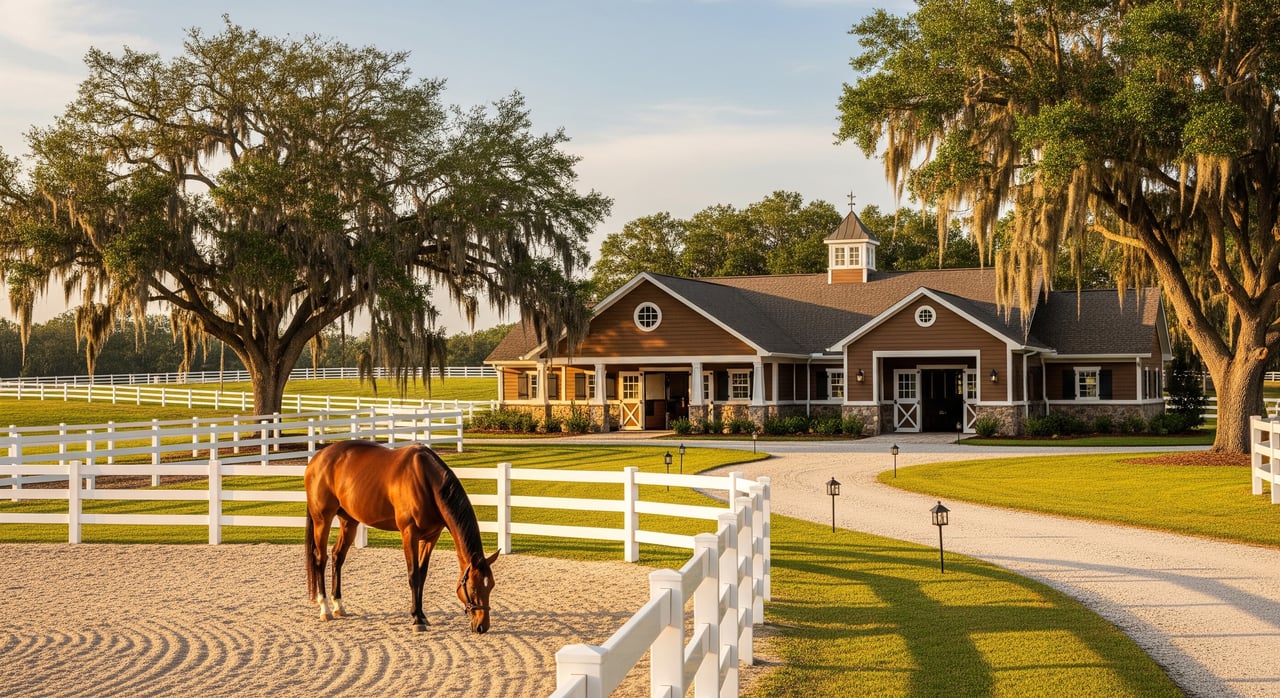
Thinking about swapping city traffic for sunrise in the barn? If you are curious what life really looks like on an Ocala-area horse property, you are not alone. Many buyers want the space and freedom, but wonder how the routines, seasons, and services fit together day to day. This guide breaks down daily living, from barn chores to local amenities, so you can picture yourself in Ocala horse country with confidence. Let’s dive in.
What horse country means here
Ocala and Marion County are nationally known for equine life. You will find a mix of small hobby-acreage parcels and large working farms, along with a deep network of farriers, vets, trainers, and tack shops. Many local businesses support the industry, from hay producers to trailer dealers.
The landscape blends rolling sandy soils, pastures, pine flatwoods, and hardwood hammocks. That sandy soil drains quickly and shapes how you manage pasture and arenas. Suburban conveniences and downtown Ocala are a short drive from many rural properties, so you can live on acreage without losing access to daily needs.
Climate and seasons
Ocala has a humid subtropical climate. Summers are hot and humid with frequent afternoon storms. Winters are mild and allow for year-round riding. The growing season is long, so pastures can produce much of the year, but you will manage heat, insects, and storm prep.
- Summer: prioritize fly control, shade, and riding early or late. Mowing and irrigation are common chores.
- Winter: cooler temperatures reduce insect pressure. Pasture growth can slow but rarely stops.
- Storm season: June to November. Hurricane planning, drainage, and secure storage for feed and equipment matter. Flood risk is site-specific, so evaluate each property’s elevation and drainage.
Your daily barn routine
Most horse owners follow a steady rhythm that flexes with weather and training goals.
Morning
- Check water, feed grain or supplements, and turnout.
- Muck stalls if barn-kept and do a quick health check for cuts, swelling, or lameness.
- Set up hay nets or paddocks for the day.
Midday and afternoon
- Lighter activity during peak heat. Many owners handle office work or errands then.
- Drag arenas or tidy the tack room.
- Ride in late afternoon as temperatures drop.
Evening
- Top off water, feed hay, and bring horses in as needed.
- Close up the barn and make notes on any care needs for the next day.
Hands-on time varies with your setup and number of horses. Expect roughly 30 to 120 minutes per day for one horse, with more time on weekends for longer rides, fence repairs, or appointments.
Riding and training
You can ride year-round in Ocala. Many riders choose early mornings or evenings in summer. Trainers and lesson barns operate on flexible schedules, and local show circuits bring a seasonal rhythm to weekends.
Ocala hosts multi-week hunter-jumper, dressage, and regional shows that shape the social calendar. Major venues and event complexes run competitions, clinics, and exhibitions. The area is also a hub for thoroughbred activity, with consignments and auctions that draw professionals and owners.
Property and pasture care
Acreage living includes land stewardship. The work is satisfying when you plan ahead and keep a simple schedule.
- Pasture management: rotate paddocks, mow, and address weeds. Sandy soils may need amendments for productive forage. Many owners supplement hay seasonally.
- Fencing: wood post and rail, pipe, vinyl, or high-tensile wire are common. Walk your fences often and plan a regular repair day.
- Water: many properties use private wells and automatic waterers. In summer heat, daily checks are essential.
- Equipment: a utility vehicle, mower, and basic tractor attachments make chores efficient on larger parcels.
For science-based guidance on grazing, forage, and animal health in Central Florida, the Marion County UF/IFAS Extension is a helpful resource to consult.
Health care and service scheduling
Marion County has a strong network of equine veterinarians, ambulatory practices, and referral clinics. Routine care stays on a predictable cadence, and you can plan it on a seasonal calendar.
- Farrier: typically every 4 to 8 weeks based on your horse and discipline.
- Veterinary: vaccinations, Coggins, dental, and deworming on a set schedule. Keep travel health certificates current if you show or clinic.
- Emergency care: confirm distance and after-hours availability for your property. Many buyers make this a top search criterion.
Because peak seasons are busy, it helps to book farriers and routine vet visits in advance and keep a contact list posted in the barn.
Boarding or keeping horses at home
You have options across price points and care levels.
- Boarding: full-care, partial, and pasture board are available at lesson barns and performance facilities. Inclusions and pricing vary, so review services carefully.
- On-site care: plan for manure management, quarantine for new arrivals, and daily labor if you manage multiple horses. Biosecurity protocols pay off during busy show seasons.
If you split time between homes or travel often, a part-time groom or reliable farm-sitter can keep routines steady.
Utilities, zoning, and permits
Most rural properties rely on private wells and septic systems. Always verify permitting and condition during due diligence. If you plan to add a barn, arena, or additional fencing, review county building permits, setbacks, and zoning. Parcels that allow equine use are often agricultural or rural residential, but rules vary by parcel and community.
Florida provides right-to-farm and nuisance protections for agricultural operations. Neighborhood covenants and HOA rules can layer on additional guidelines. Confirm the specific parcel’s rules before you buy, especially the number of animals per acre and any accessory uses you plan.
Insurance, taxes, and operating costs
Protecting your investment spans several policy types: property coverage for rural homes, farm liability, and optional equine mortality or major medical policies. Premiums depend on improvements and risk factors like flood zones.
Property taxes vary with assessed use. Agricultural classification may lower taxes when active agriculture is certified. Day-to-day operating costs include feed, hay, farrier, vet care, utilities, fuel, fencing, and labor. Costs change with the number of horses and level of care, so request local, itemized budgets when you compare properties or boarding barns.
Getting around and logistics
Access matters, especially during wet weather and show season.
- Roads and driveways: evaluate access roads and distance to paved routes. Good base and drainage make hauling safer after storms.
- Service proximity: note drive times to your vet, farrier, feed stores, and major equestrian centers. Convenience reduces stress on busy weeks.
- Water sources: some properties use wells and ponds. Check water quality and availability for livestock.
Planning these details up front makes daily life smoother once you move in.
Trails, shows, and community life
Ocala offers a full equestrian lifestyle outside the arena. Public trail riding is available in the Marjorie Harris Carr Cross Florida Greenway and the Ocala National Forest on designated trails. Many private estates and planned communities also have internal paths and farm roads.
Your calendar can include local schooling shows, breed club events, and major circuits that attract riders and trainers who winter in the region. Thoroughbred auctions, including Ocala Breeders’ Sales, add to the year-round energy of the industry.
Non-equestrian life is close by. Downtown Ocala and surrounding corridors offer restaurants, groceries, shops, arts venues, and medical services. Families will find Marion County Public Schools and several private school options, plus the College of Central Florida for higher education and continuing studies. On weekends, you can explore Silver Springs State Park, local golf courses, and nearby lakes and springs.
Time and energy planning
Living with horses is rewarding, but it is a lifestyle choice. Build a routine you can sustain.
- Expect consistent daily time for feeding, turnout, and checks.
- Ride early or late in summer to avoid the heat.
- Batch chores like mowing, fence repairs, and arena dragging on weekends.
- Keep a simple calendar for farrier, vet, and property maintenance.
Many owners find that a clear schedule and realistic expectations make the transition from wish list to daily life enjoyable.
Buyer due diligence checklist
Use this short list as you compare properties and plan offers.
- Verify parcel zoning and permitted equine uses with Marion County planning.
- Request a recent survey, well and septic documentation, and proof of any agricultural exemptions.
- Ask for typical operating costs or a property P&L if it is an active farm.
- Inspect fencing, water systems, barns, arenas, paddocks, and drainage.
- Confirm distance and availability for equine vets, farriers, hay and feed suppliers, and training facilities.
- Evaluate soils, pasture condition, and access during wet weather.
- Review HOA or deed restrictions for any limits on equestrian activities.
- Map hurricane preparedness: secure storage, water and feed plans, and evacuation routes.
Ready to explore properties?
If Ocala horse country sounds like home, you deserve a partner who understands both the lifestyle and the land. As a women-founded, owner-operated brokerage with deep local roots and equestrian and acreage specialization, we help you navigate zoning, improvements, and investment decisions with confidence. When you are ready to walk properties, vet locations, and compare options, reach out to Real Estate Connect for a focused plan.
FAQs
What daily routine should a first-time Ocala horse owner expect?
- Plan on morning and evening feed and water checks, turnout, stall cleaning if barn-kept, and 30 to 120 minutes per day per horse depending on your setup.
How does Ocala’s summer heat change riding schedules?
- Most riders shift to early morning or late afternoon sessions, increase fly control, and monitor hydration while keeping midday activity light.
What services are available near rural properties in Marion County?
- You will find multiple equine veterinarians, farriers, trainers, feed stores, hay suppliers, and tack shops, with advanced care at regional referral clinics.
Can I board instead of keeping horses on-site in Ocala?
- Yes, options range from pasture board to full-care and performance facilities, with services and pricing that vary by barn and program.
What should I verify about zoning before building a barn?
- Confirm parcel zoning, setbacks, permitted uses, and the number of animals per acre with Marion County planning and local ordinances or HOA rules.
Are there public trails for riding near Ocala horse properties?
- Yes, designated trails in the Marjorie Harris Carr Cross Florida Greenway and Ocala National Forest offer public riding opportunities with site-specific rules.
How do storms affect day-to-day life on a farm in Ocala?
- Storm season runs June through November, so owners secure barns, plan drainage, stock feed and water, and maintain an evacuation plan based on property conditions.