Pricing a luxury home in Palm Beach is both art and evidence. You want a number that protects your leverage, attracts real buyers, and stands up to appraisal. The island’s market is small, high stakes, and shaped by unique factors like waterfront frontage, provenance, and regulatory overlays. In this guide, you’ll learn the key drivers, how top agents build a defensible price range, and which strategy fits your goals. Let’s dive in.
Palm Beach luxury market at a glance
Palm Beach headlines move fast, and a single trophy sale can shift quarterly stats. Brokerage reporting shows a median sales price near $1.56M for combined single-family and condos, with average days on market around 120 days, and a meaningful share of sales over $5M. You also see submarket differences across the island, which is why address matters. Sotheby’s Palm Beach market update breaks out these variations.
At the ultra-luxury level, medians can look very different. Recent coverage citing Douglas Elliman reported a quarterly median near $13.17M for the island’s top tier. The key is knowing what the data represents: all closings versus the luxury-only subset. This Mansion Global overview explains how financial market strength and a small set of large closings can push medians higher.
High-end comps can be tight because many trophy transactions happen privately. For example, 203 S. Lake Trail traded around $86.5M, and an off-market oceanfront at 530 S. Ocean Boulevard sold near $73M. These illustrate how scarce waterfront parcels and private negotiations shape the top of the market. See coverage of recent top sales and off-market activity in The Real Deal’s year-end summary and the lakefront estate sale report.
What drives price on the island
Location and micro-location
On Palm Beach, the address is a primary value driver. Oceanfront along South Ocean Boulevard typically commands the highest premiums, followed by intracoastal and direct lakefront. Proximity to Worth Avenue, clubs, and the island core can lift values. Community-level medians vary across the Estate Section, North End, Mid-Town, and South End, as shown in Sotheby’s community breakdown.
Lot and waterfront specifics
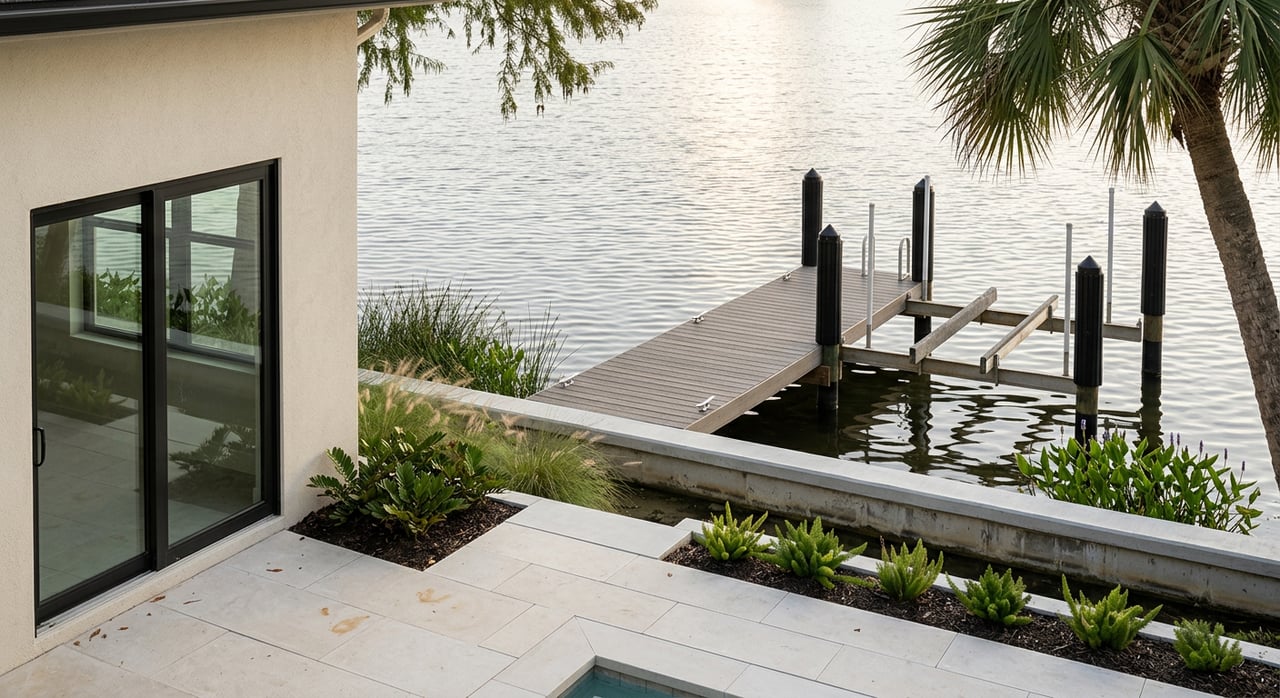
Not all waterfront or lots are equal. Agents adjust for width and total frontage, depth, exposure, dune or setback position, dock capacity, and boathouse or dredge rights. True oceanfront parcels are scarce, which is why premiums can be outsized. Off-market trophy deals and supply constraints reinforce this scarcity, as discussed in recent market reporting.
Regulatory context matters too. The Florida Coastal Construction Control Line and related permits can determine what you can rebuild or expand. This affects cost and timeline, which impacts value. Review the CCCL statute for context on seaward construction limits in Florida Statutes 161.053.
Architecture, provenance, and historic value
Architect-designed estates and historically significant homes may carry a premium for provenance and aesthetics. At the same time, exterior changes and major renovations often require review. The Town of Palm Beach’s boards and processes shape what is possible. Learn about the town’s development review and preservation context in the official guidance.
Condition, systems, and resiliency
Buyers in this tier expect impact-rated glazing, elevated systems, whole-house generators, high-performance HVAC, and modernized kitchens and service spaces. Documented, permitted renovations with receipts support stronger adjustments in both buyer analysis and appraisal. Appraisal guidance emphasizes credible, verifiable documentation for adjustments, as explained in this valuation principles reference.
Amenities and lifestyle features
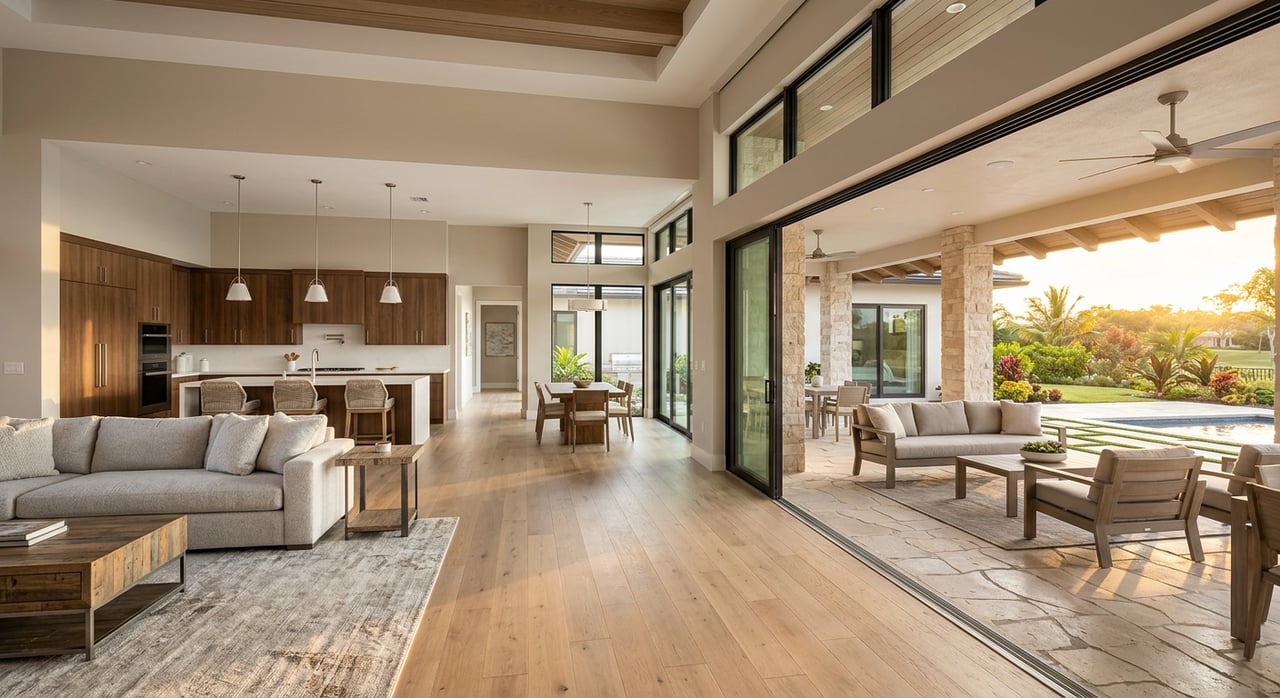
Private docks, guest houses, seamless indoor-outdoor flow, covered exterior rooms, wellness spaces, and large entertaining layouts add value. Privacy and security, along with access to clubs and high-end retail, often shape willingness to pay at the top of the market. The impact of privacy-first marketing and private negotiations appears throughout recent trophy-sale coverage.
Flood risk, insurance, and permitting
Flood zone and Base Flood Elevation can influence both carrying cost and buyer confidence. FEMA map changes have been active in recent years, and designations can shift insurance requirements and premiums. Start early by confirming the property’s current panel and potential insurance impacts. See recent federal notices regarding map updates on Regulations.gov archives via Justia.
How top agents set the right price
Define the market and gather data
First, narrow the correct micro-neighborhood and product type. A North End lakefront is not the same as a Mid-Town oceanfront or a renovated historic in the Estate Section. Because true comps can be rare, agents often extend the time window to 12 to 24 months and supplement MLS with recorded off-market sales and brokerage research. Private trophy deals are a factor, as noted in this market summary.
Select comparables and apply adjustments
Next, select 3 to 6 credible, arm’s-length comps, then adjust for the big deltas: waterfront frontage, lot size, condition and renovation level, living area, floorplan utility, presence of guest suites, and site constraints. Appraisers and agents rely on market-supported, consistent adjustments and transparency in the grid, as outlined in this appraisal principles overview.
A practical example: if a recent Mid-Town lakefront with 280 feet of frontage closed at a certain price, and your home has 200 feet but superior finishes and larger living area, adjustments account for both frontage and quality to land in a supported range. Contextual anchors for the top of the market include recorded sales like 203 S. Lake Trail and 530 S. Ocean Boulevard.
Reconcile to a range and choose your launch price
Once adjustments are applied, the goal is a tight value range and a go-to-market plan that fits your privacy and timing needs. In Palm Beach, you can choose a public listing strategy or a more discreet, by-invitation approach. Off-market campaigns are common at the very top, and the price you publish is part of a larger positioning plan, as seen in coverage of private deals.
Prepare for appraisal and buyer due diligence
If your buyer uses financing, the lender will order an appraisal that follows USPAP. Elevation certificates, surveys, permits, and detailed invoices for renovations help support a higher opinion of value. Providing a complete comp and documentation packet sets you up for smoother valuation. See the USPAP reference document for standards guidance.
Choose your pricing strategy
Strategic-competitive pricing
Price at or slightly below credible value to drive early interest and potential competing offers. This approach aims to build momentum in the first two weeks, which often preserves leverage.
Aspirational pricing
Start higher and plan for later reductions. This can work for unique estates, but the risk is longer days on market and perceived softness. Signals of stagnation can invite harder negotiations.
Off-market or pocket listing
Limit marketing to a qualified buyer list and private broker network. This can preserve privacy and control the narrative for trophy-tier homes. The tradeoff is a smaller initial audience, so pricing must still align with verified value and recent private benchmarks. The pattern is well documented in trophy-sale reporting.
Timing, DOM, and buyer perception
Reports show a clear relationship between pricing accuracy and time on market. Periods of stronger activity have seen shorter marketing times at the high end, while overpriced listings typically require multiple cuts and extended exposure. Sellers who price within a supported range early tend to keep more leverage when serious buyers engage. Recent Palm Beach luxury coverage highlights these shifts in market analyses and the Sotheby’s update.
Pre-listing pricing checklist
- Confirm flood zone and effective FIRM panel, and obtain an elevation certificate if available. Map updates can affect insurance and buyer perception. See the latest notices on FEMA map changes.
- Assemble permits, receipts, certificates of occupancy, and architectural approvals. Historic and landmarked homes should coordinate with Town of Palm Beach boards early. Reference the town’s development review process.
- Verify waterfront specifics with a surveyor and marine contractor. Dock capacity, seawall condition, and dredge or boathouse rights influence value and lending.
- Order a pre-listing inspection for roof, structure, and mechanicals. A clean report and remediation plan reduce friction and support your price.
- Consult an insurance broker who places coastal high-value policies. Wind and flood premiums factor into valuations and buyer comfort, and Florida insurance statutes shape the landscape. For context, review Florida’s insurance statutes.
- Prepare an appraiser-buyer packet: measured floor plans, surveys, aerials, permitting records, high-quality media, and a concise one-page comp narrative. Clear documentation strengthens appraisals and buyer confidence, as supported by valuation best practices.
The bottom line
Pricing a Palm Beach luxury home correctly starts with address, lot, water, provenance, and renovation quality, then layers in current comps, private-sale context, and a strategy that matches your privacy and timing goals. When you pair a credible range with strong documentation and the right launch plan, you protect your leverage and your time.
Ready to set a confident number and go to market with a boutique, owner-led team that understands South Florida luxury and investor-level details? Connect with Real Estate Connect to start your pricing workup and pre-list checklist.
FAQs
How do you price a unique Palm Beach waterfront estate when no close comps exist?
- Widen the time window to 12 to 24 months, adjust for frontage, lot quality, and renovations, and incorporate verified off-market sales to build a documented range.
What are typical days on market for Palm Beach luxury listings today?
- Recent reporting shows average marketing times around 120 days across combined property types, with faster outcomes for well-priced, high-tier listings.
How do flood zones and FEMA map changes affect Palm Beach home pricing?
- Flood designation and Base Flood Elevation influence insurance requirements and premiums, which can affect buyer demand and price expectations.
Should I consider an off-market sale for a trophy Palm Beach property?
- Yes if privacy is a priority, but align price with credible comps and private benchmarks since a smaller audience still expects market realism.
How do historic or landmark designations in Palm Beach impact value?
- Provenance can add appeal and value, but exterior work often needs town review, which can affect renovation scope, cost, and timing.